Porcelain travel signs are the physical remnants of mid-20th-century America’s great highway culture — the kiln-fired enamel panels that hung at Greyhound bus depots, AAA-approved motor hotels, Route 66 motor courts, and railroad passenger terminals from the 1930s through the early 1970s. Unlike reproduction tin signs, these are original advertising pieces: heavy-gauge steel substrates, multi-layer glass enamel fired at up to 900 degrees Fahrenheit, and colour that survives decades of outdoor exposure because it is glass, not paint. Each sign in this collection is authenticated, unrestored, and ships fully insured. Browse Greyhound depot signs, AAA hotel and motel approval plates, roadside motel and tourist cabin signs, bus line advertising panels, and railroad passenger terminal pieces — all original, all with stories to tell.

Vintage AAA Auto Insurance Sign – Service Gas Pump Sign on Porcelain Thermometer

Vintage AAA Auto Insurance Sign – Service Gas Pump Sign on Porcelain Thermometer

Vintage AAA Automobile Club License Plate Topper – Sign Ad on Automobile Topper

Vintage AAA Automobile Club License Plate Topper – Sign Ad on Automobile Topper
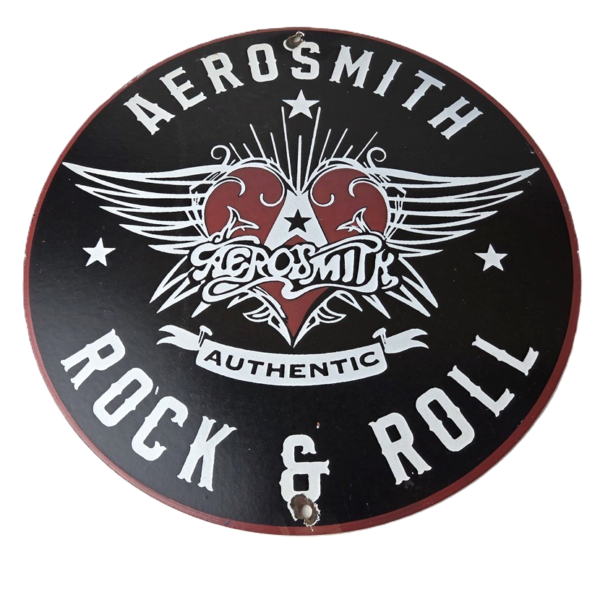
Vintage Aerosmith Rock & Roll Porcelain Sign – Winged Heart Logo Sign
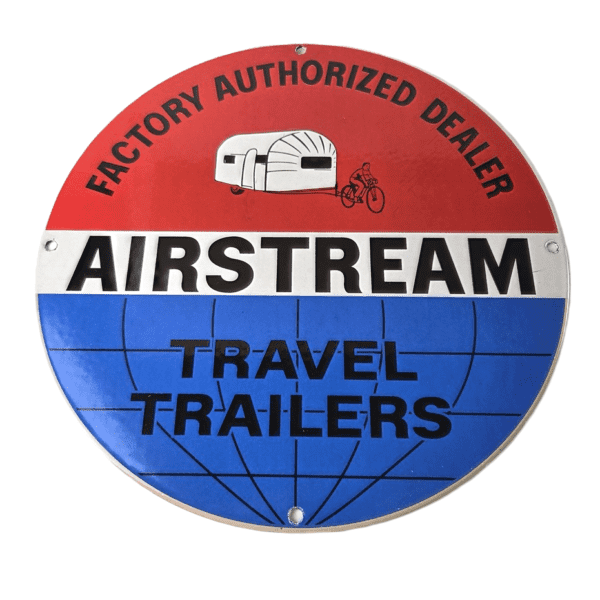
Vintage Airstream Sign – Travel Trailer RV Gas Airplane Porcelain Sign

Vintage Alaska Highway Sign – Road Route Direction Historic Gas Porcelain Sign
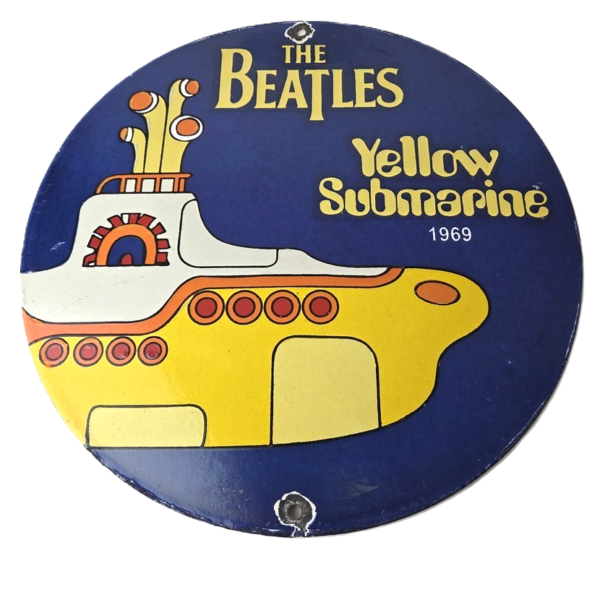
Vintage Beatles Yellow Submarine Porcelain Sign – 1969 Submarine Sign

Vintage Boston Maine Airways Porcelain Sign – Pilot Plane Aviation Sign

Vintage Cat House Sign – Basement Room Bed for Sale Gas Service Saloon Sign

Vintage Catalina California License Plate Topper – Sign Ad on Automobile Topper

Vintage Catalina Island California Sign – Gas Pump Porcelain Advertising Sign

Vintage Chuck E Cheese Sign – Porcelain Gas Pump Service Station Sign

Vintage Coleman Sales Sign – Gas Auto Dealer Garage Shop Porcelain Sign

Vintage Crystal Beach NC License Plate Topper – Sign Ad on Automobile Topper

Vintage Frontier Gasoline Sign – Cowboy Gas Oil Service Station Porcelain Sign

Vintage Grateful Dead Sign – American Rock Guitar Band Concert Gas Pump Sign

Vintage Greyhound Yelloway Porcelain – Bus Line Company News Gas Pump Sign

Vintage Greyhound Yelloway Porcelain – Bus Line Company News Gas Pump Sign

Vintage Icee Bear Sign – Ice Slushy Soda Porcelain Gas Pump Sign

Vintage Indian Spring Lodge License Plate Topper – Sign Ad on Automobile Topper

Vintage Las Vegas Travel Sign – Casino Lost My A – Gas Service Pump Plate Sign

Vintage Lewis & Clark Sign – National Historic Trails Porcelain Gas Pump Sign

Vintage Lincoln Telephones Sign – Telegraph Phone Gas Porcelain Sign

Vintage Lost Dog Porcelain Sign – Wanted Notice Missing Gas Pump Plate Sign

Vintage Mammoth Mountain Sign – California Ski Park Gas Pump Porcelain Sign

Vintage Monopoly Sign – Board Game Porcelain Gas Pump Monopoly Man Sign

Vintage National Park Sign – Yellowstone Old Faithful Gas Pump Porcelain Sign

Vintage National Park Sign – Yosemite California Gas Pump Porcelain Sign

Vintage Niagara Falls Sign – USA Canada Travel Gas Pump Porcelain Ad Sign
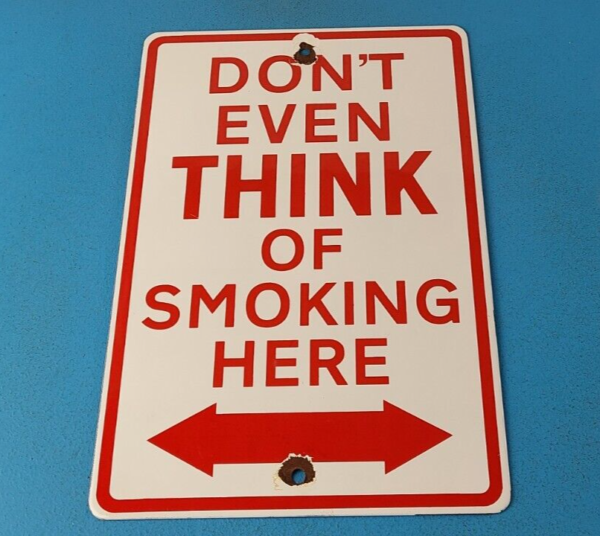
Vintage No Smoking Sign – Gas Warning Caution Porcelain Sign

Vintage Nude Beach Sign – No Peeking Gas Pump Porcelain Sign

Vintage Old School Bikers Sign – Motorcycle Gasoline Service Pump Porcelain Sign

Vintage Old School Bikers Sign – Motorcycle Gasoline Service Pump Porcelain Sign

Vintage Paul Bunyan Sign – California Highway Gas Service Pump Porcelain Sign

Vintage Pearl Harbor License Plate Topper – Feed Sign Ad on Automobile Topper
What Are Vintage Porcelain Travel Signs?
Vintage porcelain travel signs are authentic kiln-fired enamel advertising pieces produced for the American and international travel industry from approximately the 1920s through the early 1970s. They are the original signage — not reproductions — that directed travellers at bus depots, marked AAA-approved hotels and motor courts, identified railroad passenger terminals, and designated Greyhound and Trailways bus station stops across the continent.
The porcelain enamel construction that makes these signs so collectible is also what allowed them to survive decades of outdoor exposure: unlike painted or printed signs, porcelain enamel is glass, fused to a heavy-gauge steel substrate at temperatures between 750 and 900 degrees Fahrenheit. The colour is not applied on the surface — it is baked into it. A well-preserved original travel sign from 1945 will still present vivid, deep enamel colour that a printed sign from the same year has long since lost to rust and fading.
The production of porcelain enamel signs in the US peaked between the 1920s and the 1950s. The shift to cheaper printed aluminium and plastic signage during the late 1960s and 1970s ended original porcelain production for most applications. Every original porcelain travel sign in this collection is from that finite production era — a non-replenishable population.
The Brands and Operators: Who Made These Signs?
The travel sign category spans a remarkably diverse range of operators and brand identities — each with their own distinct visual language and collector community:
- Greyhound Lines:The Greyhound brand, whose running greyhound dog logo became one of the most recognisable in American commercial history, produced an extensive range of porcelain bus depot and stop signs — from large double-sided depot identification panels to smaller route stop markers. Greyhound's network covered virtually every US city and town by the 1940s and 1950s, meaning its enamel signs were produced and displayed in vast numbers — yet surviving originals are increasingly scarce as depot buildings have been demolished or repurposed.
- Trailways and regional bus lines:Continental Trailways and dozens of smaller regional operators — Jefferson Lines, Santa Fe Stages, Pacific Greyhound — all produced their own enamel depot and advertising signage. Regional bus line signs are rarer than Greyhound examples and command premiums from collectors who value their geographic specificity.
- AAA (American Automobile Association):AAA produced a distinctive range of porcelain enamel approval plates for member hotels, motor courts, and service stations. An AAA Approved Hotel or AAA Approved Motel enamel plate was a significant commercial credential for roadside hospitality businesses in the 1940s and 1950s — displayed prominently on the building facade as a mark of quality that the motoring public trusted. These approval plates are among the most collected travel signs in the enamel sign market.
- Hotels and motor courts:Individual hotel and motor court porcelain signs range from large roadside identification signs to small interior service signs. The most valuable tend to be those from named establishments along historic routes — Route 66 motor court signs, for example, command strong premiums from Route 66 collectors regardless of the specific hotel's national fame.
- Railroad passenger terminals:While the railroad sign category has its own dedicated collection, some railroad passenger terminal and ticketing signs — particularly those from the major trunk line passenger services — fall into the travel sign category as artefacts of the same mid-century American travel infrastructure.
The Golden Age of American Road Travel: 1930–1970
The porcelain travel sign has a specific and well-defined historical context: the four decades between the establishment of the US federal highway system in the late 1920s and the completion of the Interstate Highway System in the late 1960s. This period saw the creation and flourishing of an entire roadside commercial infrastructure — gas stations, motor courts, diners, bus depots, roadside attractions — that was built for, and around, the American traveller in a car or on a bus.
Route 66, designated in 1926 and running 2,448 miles from Chicago to Santa Monica across eight states, became the symbolic spine of this era. John Steinbeck called it 'the Mother Road' in The Grapes of Wrath (1939), when it carried hundreds of thousands of Dust Bowl families westward. After World War II it carried them westward again — this time for leisure, in the great post-war surge in automobile tourism that filled the roadside infrastructure with paying customers. The 1956 Federal-Aid Highway Act and the construction of the Interstate Highway System began to drain that traffic away, bypassing the small towns and roadside businesses that Route 66 had sustained. By the time Route 66 was officially decommissioned in 1985, much of that infrastructure — and the enamel signs that marked it — had already gone.
A porcelain travel sign from the 1940s or 1950s is a physical survival from this specific, bounded period in American history — a period that was already culturally recognised as a 'golden age' while it was still happening, and whose material culture has become increasingly sought as the living memory of it recedes.
What Collectors Look For in Travel Signs
The porcelain travel sign collecting market has developed clear valuation criteria over decades of active buying and selling. The key factors — in rough order of significance — are:
- Brand recognition:Greyhound, AAA, and named Route 66 properties consistently command the strongest premiums. Regional and local brands command premiums from geographically-specific collectors.
- Graphic quality:Travel signs with strong visual design — the running Greyhound dog, a distinctive motel name treatment, a bold AAA diamond — are more sought than text-only panels. The commercial illustrators who designed mid-century enamel signs were working in a tradition that valued legibility at speed and visual impact at distance.
- Format:Double-sided signs (designed to be read from both directions on a roadside post) are rarer and typically more valuable than single-sided examples. Die-cut signs — cut to a specific shape rather than a rectangular panel — are the rarest and most premium format.
- Condition:Original unrestored condition is the collector standard. In the travel sign market, as in all enamel sign collecting, an honest Grade 6 unrestored example is preferable to a restored piece, because restoration — even when done well — cannot be made undetectable and does not match the standard of museum-quality original enamel.
- Geographic provenance:A Greyhound depot sign from a documented Route 66 location, or an AAA motel plate from a named historic motor court, carries provenance value that the same sign without known history does not. If a sign comes with location documentation, preserve it.
Authentication note: Every sign in this collection has been authenticated by Vintage Porcelain Signs Store using standard porcelain enamel verification methods — substrate weight, edge enamel wrap, mounting hole wear, and surface character. For a full authentication methodology see our
→ See our full Porcelain Sign Authentication Guide for detailed methodology and what to check when buying any vintage enamel sign.
Display and Collecting Contexts
Vintage travel signs occupy an unusually broad display context because the culture they represent — Route 66, mid-century motels, Greyhound bus travel, the American road trip — has broad nostalgic recognition across generations. They are equally at home in:
- Specialist roadside Americana collections:Alongside Route 66, diner, gas station, and soda signs — all pieces from the same mid-century roadside commercial ecosystem.
- Transportation-themed collections:Alongside railroad, aviation, and automobile signs — the full mid-century transportation network represented in porcelain enamel.
- Hospitality and bar décor:The motor court, hotel, and Greyhound aesthetic translates directly to vintage-themed bars, diners, and commercial hospitality spaces. A genuine AAA Approved Motel enamel plate on a bar wall is not décor — it is an artefact.
- Home and man cave displays:Travel sign collecting crosses demographic lines more than most sign categories — the Route 66 cultural mythology has as much appeal to those who grew up in the 1950s as to younger collectors drawn to mid-century Americana as a design aesthetic.
Related Collections at Vintage Porcelain Signs Store
Explore connected categories: Porcelain Railroad Signs · Gas & Motor Oil Signs · Automobile Signs · Aviation Signs · Porcelain Diner Signs · Authentication Guide · Collector Resources · Full Shop